How a traditional mortgage appraisal determines your home's value
A home appraisal is a written opinion of value that explains what makes a property worth that amount and compares it to similar homes nearby.
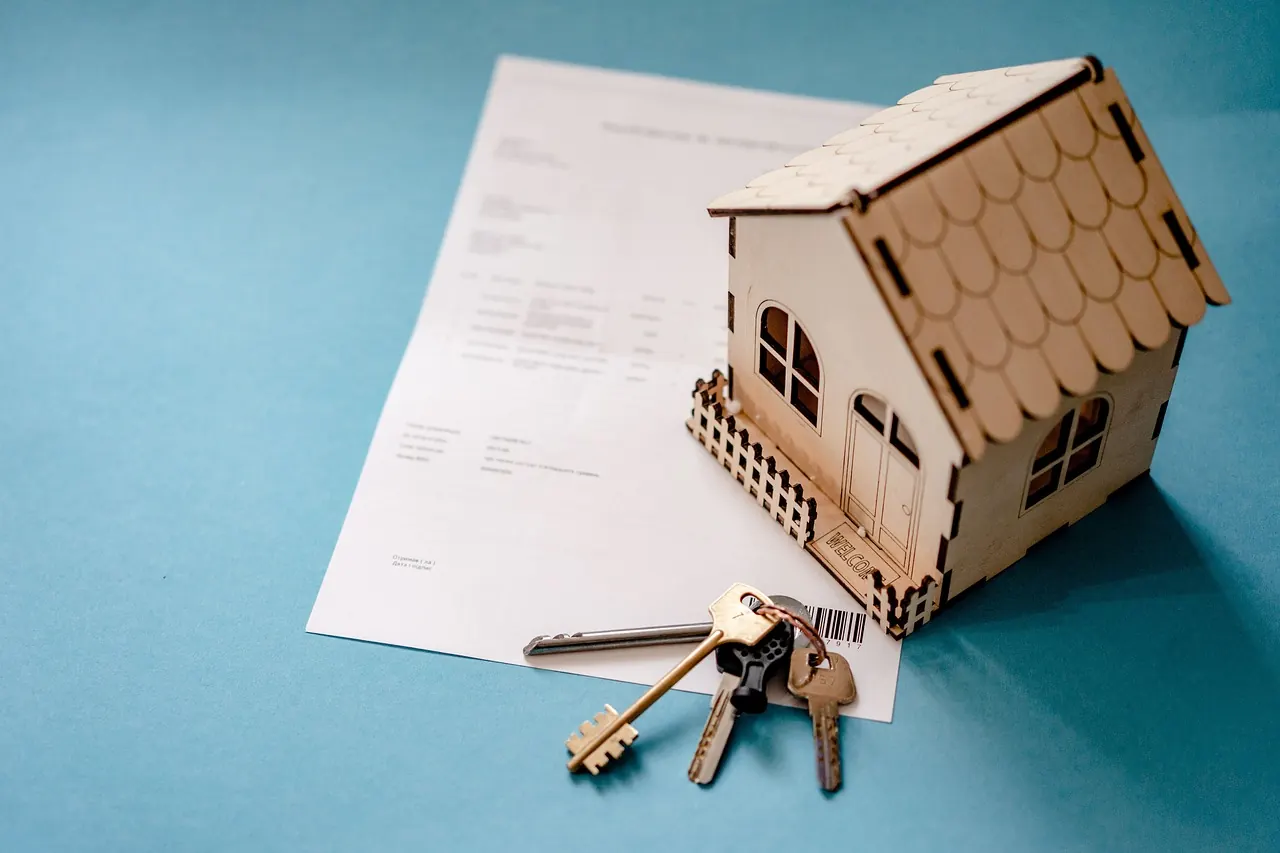
In a typical mortgage transaction, the appraiser gives your lender an unbiased estimate of the property's value. Appraisers follow a defined set of rules to arrive at that value. Paying more for a home than its appraised value carries real financial risk for the buyer.
To reach that value, the appraiser records details about the home, including its condition, structure and foundation. The report also notes the interior, exterior, amenities, upgrades and features such as car storage.
As of September 2020, buyers with a standard mortgage could get a free copy of the appraisal report at least three days before closing. Confirm this rule is still current with the Consumer Financial Protection Bureau or your lender before you rely on it. Reading the report early lets you see exactly what the appraiser found.
Home appraisal vs. home inspection: what each one actually checks
Yes, appraisers go inside the house. They record the home's physical condition in person, the same details covered above. Their job is to give the lender an unbiased estimate of the home's value.
An appraisal, as explained above, is about market value. A home inspection is different. It checks the home's systems and safety, not the price a home could sell for.
Who orders the appraisal, and does every mortgage require one?
In a typical mortgage, the lender arranges the appraisal and gets an unbiased estimate of the home's value. The appraiser works for the lender, not for you. Ask your lender whether your specific loan needs this step, since requirements can vary by loan type.
Ask your lender directly about the appraisal cost before you move forward.
If you are refinancing, ask your lender early whether they need this same kind of appraisal before they approve your new loan amount.
How the cash-offer valuation process works, step by step
This cash-offer valuation starts when the seller submits the property's details through an online form or by phone call. The buyer may then schedule a brief walkthrough of the house to see its condition firsthand.
After the walkthrough, the seller receives a written, no-obligation cash offer to review before deciding anything. If the seller accepts the offer, they pick the closing date.

A local title company then handles the paperwork for closing. A lien is a legal claim a creditor holds against the property until a debt is paid. Delinquent property taxes are property taxes the county has not yet received. The title company settles any liens or delinquent property taxes from the sale proceeds as part of closing.
This cash-offer path works across Dallas, Fort Worth, Arlington and the wider Dallas-Fort Worth Metroplex.
For the full breakdown of each step, see How Our Process Works.
Lender appraisal vs. cash offer: a side-by-side look
The two paths to a number on a DFW home differ in four ways: who inspects the house, how the figure gets set, who picks the closing date, and whether repairs factor in. The table below lines them up side by side.
| What happens | Lender appraisal | Cash-offer path |
|---|---|---|
| Who inspects the home | An appraiser records the home's condition, structure and foundation. | The buyer may schedule a brief walkthrough of the property. |
| How the number is set | The appraiser gives the lender an unbiased estimate of the home's value. Appraisers follow set rules to reach that number. | The buyer presents a written, no-obligation cash offer. |
| Who picks the closing date | The appraisal itself sets a value, not a closing date. | The seller picks the closing date. |
| Repairs required | The report records the home's condition as found. | This path buys the home in any condition, with no repairs or cleaning required. |
What actually changes the number: condition, comps and your situation in DFW
Comparable sales, or comps, are recent sales of similar homes nearby. Both valuation paths look at comps to help set a number for your home. This breakdown of how comps and location shape your Fort Worth home's value walks through it in more detail.

A mortgage appraisal weighs a home's condition, structure and foundation as part of its market-value opinion. The cash-offer path buys houses directly from homeowners for cash, in any condition, across Dallas-Fort Worth.
Many DFW homeowners reach a valuation question because of a specific situation. This cash-offer path covers situations like these:
- An inherited house
- A divorce
- Downsizing, including a parent moving to assisted living
- Foreclosure
- A rental property, including one with tenants
- Delinquent property taxes
- A lien or title problem
- Fire damage in Dallas or Fort Worth
- A hoarder house
- A foundation problem
If your situation involves a legal or tax deadline, the next section points you toward professional guidance before you decide how to move forward.
What to do next if your valuation feels low or you need to sell fast
Start by asking for the full appraisal report, the written opinion of value explained earlier. Review the comps and condition notes it cites before deciding your next step.
A homeowner whose house needs to sell as-is, or faster than a lender appraisal and loan approval allow, can request a written cash offer instead. This path buys homes directly for cash in any condition.
Foreclosure, delinquent property taxes and divorce each carry legal and financial deadlines beyond a simple valuation question. A Texas attorney, tax professional or HUD-approved housing counselor can explain which rules apply before a homeowner decides how to sell.
Anyone holding a lower appraisal than expected can also read what a low Arlington home appraisal can mean and the steps involved.
Frequently Asked Questions
Do appraisers go inside the house?
Yes. An appraiser walks through the home and records its condition, structure and foundation in person, then gives the lender an unbiased estimate of its value. This firsthand look is part of how the number gets set, not an estimate done from the outside.
Do mortgage lenders always do a valuation?
In a typical mortgage, the lender arranges the appraisal and uses it to get an unbiased estimate of the home's value. Requirements can vary by loan type, so ask your lender directly whether your specific loan needs this step before you move forward.
Get a cash offer instead of waiting on an appraisal
If an appraisal feels slow or your home needs work you would rather skip, Matamna Homebuyers buys houses directly from homeowners for cash, in any condition, across Dallas-Fort Worth. Get Cash Offer and find out what your home is worth without an appraisal or repairs.