What a Real Estate Appraisal Process Involves
A real estate appraisal is a written document that gives an opinion of how much a home is worth. The real estate appraisal process starts there, and it does not stop until a lender has that opinion in hand. A home's condition and a seller's situation can both change that number. Sellers facing a difficult property or situation have another option: a cash sale that skips the appraisal step entirely.
What Happens During a Real Estate Appraisal, From Order to Report
For a conventional mortgage, the lender must get a signed, complete appraisal report, under Fannie Mae's lender responsibilities for conventional loans. This happens during underwriting, the step where the lender checks that both the loan and the home qualify.
The lender can charge a reasonable fee to prepare the appraisal, but cannot charge extra just to hand over a copy of it. The CFPB (the federal agency that protects consumers in financial deals) explains this in its appraisal explainer. For a typical home loan, the buyer is entitled to a copy of the appraisal the lender ordered.
What the Appraisal Report Actually Contains
The appraisal report has to accurately show the home's market value, its condition and its marketability (how easily it could sell). It also has to describe the property and the surrounding market area in factual, unbiased and specific terms.
What Appraisers Weigh When They Set a Value
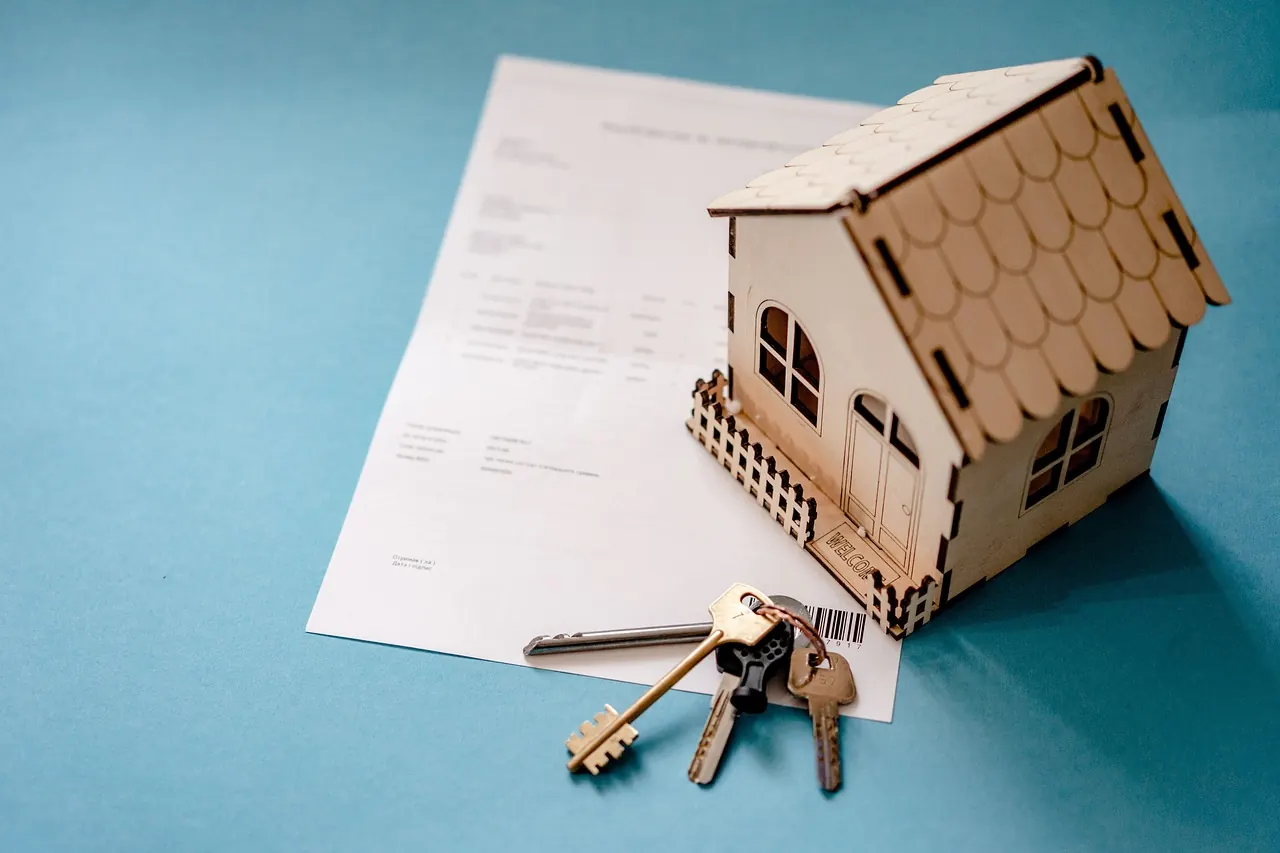
Comparable sales, or comps, are recent sales of similar homes nearby. They help the appraiser judge how much a home is worth. The home's condition and its location matter too.
A closer look at what drives a Fort Worth home's value covers how comps, condition, location and buyer demand line up for sellers in that market.
How Foundation Problems, Fire Damage and Hoarder Houses Change the Appraised Number
An appraisal report has to reflect a home's actual condition, not just its location or size. Foundation cracks, fire damage and heavy clutter from hoarding are condition details the report cannot leave out.
A direct cash buyer in Dallas-Fort Worth still buys houses with foundation problems, fire damage or hoarding. It also buys other hard-to-finance properties, including an inherited house, a tenant-occupied rental, foreclosure or delinquent property taxes.
Home Appraisal Checklist: How to Prepare Before the Appraiser's Visit
A homeowner cannot change the comparable sales an appraiser uses, but a little preparation helps the appraiser see the property clearly. Walk through this checklist before the appraiser's visit.
- Clear clutter from rooms, closets and the garage so the appraiser can see the full space.
- Take care of small repairs first, such as a leaky faucet, a loose handrail or a cracked window.
- Write down recent upgrades or repairs, with rough dates, to show the appraiser.
- Gather basic property documents on hand, such as a survey, permits for past work or a floor plan.
- Clear a path to the front door, the attic, the crawl space and any other area the appraiser needs to check.
- Point out features the appraiser might miss on a quick walk-through, like a finished room or an updated system.
Appraisal vs. Home Inspection: What Each One Does
An appraisal and a home inspection answer different questions. An appraisal gives a written opinion of how much a property is worth. A home inspection checks the home's condition so the buyer can decide whether to move forward.
A home inspection is a separate expense from the appraisal fee, and the cost depends on the property itself. For a closer look at what a home inspection typically covers in one DFW market, see this breakdown of home inspection costs in Grand Prairie, TX.
| Purpose | Who Orders It | What Is Assessed | What the Outcome Affects | |
|---|---|---|---|---|
| Appraisal | Give the lender an independent opinion of the home's value | The lender | The home's value, based on comparable sales, location and condition | How much the lender is willing to finance |
| Home Inspection | Check the home's physical condition for the buyer's own decision | The buyer | The home's structure, systems and safety issues | Whether the buyer moves forward, asks for repairs, or walks away |
What Happens When the Appraisal Comes in Low
A low appraisal does not have to end the sale. A buyer can often use the lower appraised value to negotiate a reduction in the sale price. This option is explained in the CFPB's guidance on a low appraisal.
Paying more for a home than its appraised value carries real financial risk for the buyer. A buyer facing that risk can ask the seller to meet the appraised number instead of closing at the higher price.
This choice is sometimes written into the purchase contract as an appraisal contingency, the clause that lets the buyer act on a low number.
For a closer look at how a low number plays out for a specific DFW sale, see how low appraisals affect Arlington home sales.
Selling a Distressed or Hard-to-Finance DFW Property Without Going Through an Appraisal
Across Dallas-Fort Worth, a direct cash buyer purchases a house in any condition, and the sale does not depend on a lender's appraisal. This option covers Dallas, Fort Worth, Arlington, Plano and other cities across the Dallas-Fort Worth Metroplex. There is no comp to satisfy, no condition review to pass and no underwriting timeline to wait on. The appraisal step disappears from the sale entirely.
This path fits situations such as selling an inherited house, a divorce, downsizing or a parent moving to assisted living. It also fits stopping a foreclosure, a tenant-occupied rental, delinquent property taxes, a lien or title problem, fire damage, a hoarder house and foundation problems.
The seller submits the property's details by phone or online, and the buyer may schedule a brief walkthrough. The buyer then sends a written, no-obligation cash offer, and the seller picks the closing date. A local title company handles the paperwork and settles any liens or payoffs from the sale proceeds. Sellers who want each step in order can review the full cash offer process before they start.
Your Next Step: Get a Cash Offer for Your DFW Property
If your property's condition or situation makes a standard appraisal-dependent sale difficult, a direct cash sale is the next step to consider. Matamna Homebuyers buys houses directly from homeowners for cash, in any condition, across Dallas-Fort Worth. Submit your address and request a Get Cash Offer to see what a no-appraisal sale looks like for your home.